The AI prepares the report. You decide and sign.
It reads the image, organizes your shift, prepares the draft and reviews it before you sign. With the PACS you already have and the studies kept in Colombia.
A support tool for professionals. Not a medical device. Clinical AI features run in research mode.
An agentic RIS.Built on AI from the codebase up.
It is not a traditional RIS with an AI button. The worklist, the draft, the review and the notices are agents by design. Each one keeps a log; none of them signs.
- 1Prioritizes
- 2Reads the image
- 3Reviews
- 4Backup
RADMESH · AI MODE
Your shift. One conversation.
Talk to your shift by chat or by voice. RadMesh prepares the work; you decide and sign.
THE IDEA BEHIND RADMESH
A connected shift. Your judgment in control.
Why we build it, how it connects the work, and what to expect today.
Keep context with the study.
The indication, prior studies, report and follow-ups should not get lost between screens or shift handovers. We are building RadMesh around the radiologist's work.
- Less context scattered across tools.
- Urgent work with the reason in view.
- Human decisions with a traceable history.
From study to sign-off, under human control.
Your studies live on a node dedicated to your institution, on servers in Colombia: we host it or, if your hospital prefers, it runs on its own servers. The node connects the worklist, viewer and report. Agents support specific tasks; the radiologist reviews and signs.
- Priority retains its source and reason.
- RAD·QC checks report text consistency before sign-off.
- Deployment and configuration determine what runs locally and what may leave with authorization.
A product in progress, with clear status.
The website separates available, partial and planned capabilities. The vision guides development; it does not replace a demonstration of what works.
- Foundation: DICOM intake, viewer, worklist and report review.
- Image models are presented for research use.
- Conversational workflows and extensions are verified before being announced as available.
Explore with your AI
An external service will open with this question and a link to our public overview. No clinical data or private code is attached. That service generates the answer; check its claims against the source.
View and copy the question
Explain why RadMesh exists and which radiology workflow problem it aims to solve. Read this public overview: https://www.radicalmesh.com/about/radmesh-en.txt Reply in English. Separate published facts, plans and inferences. Cite the source. If you cannot open it, say so and do not invent capabilities or results.
RadMesh's main repository is private. This overview is public; it does not mean the product is open source.
How it works
- 1
Studies arrive at RadMesh
Your PACS sends studies over DICOM to the node dedicated to your institution.
- 2
Agents work with you
They sort the worklist by urgency, point out what deserves attention and review your report before you sign.
- 3
You decide and sign
The AI suggests. No machine signs a report or changes a medical decision.
What the AI does for you
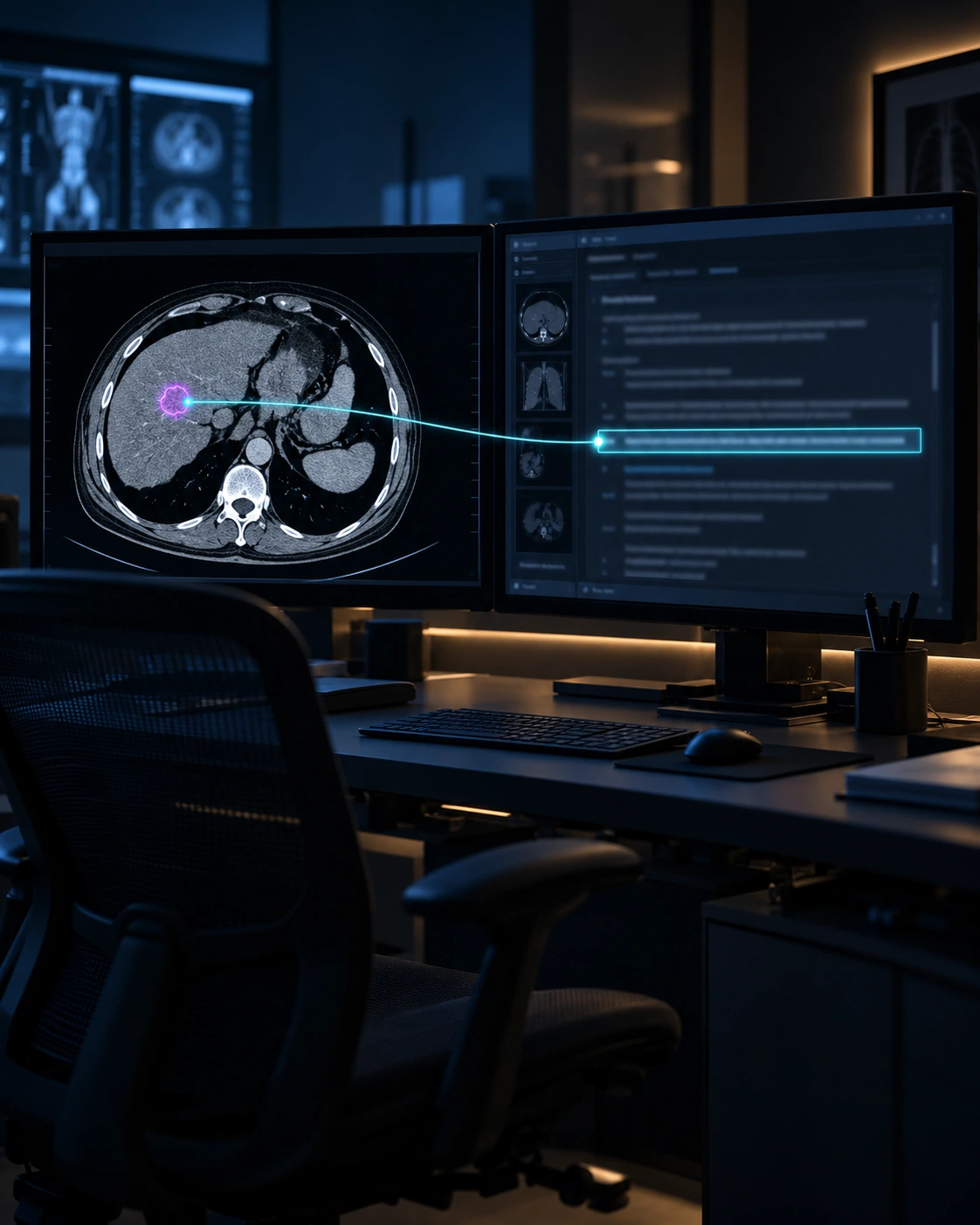
Prioritizes
Sorts your worklist: urgent first, with the reason in view. It never lowers a priority you set.
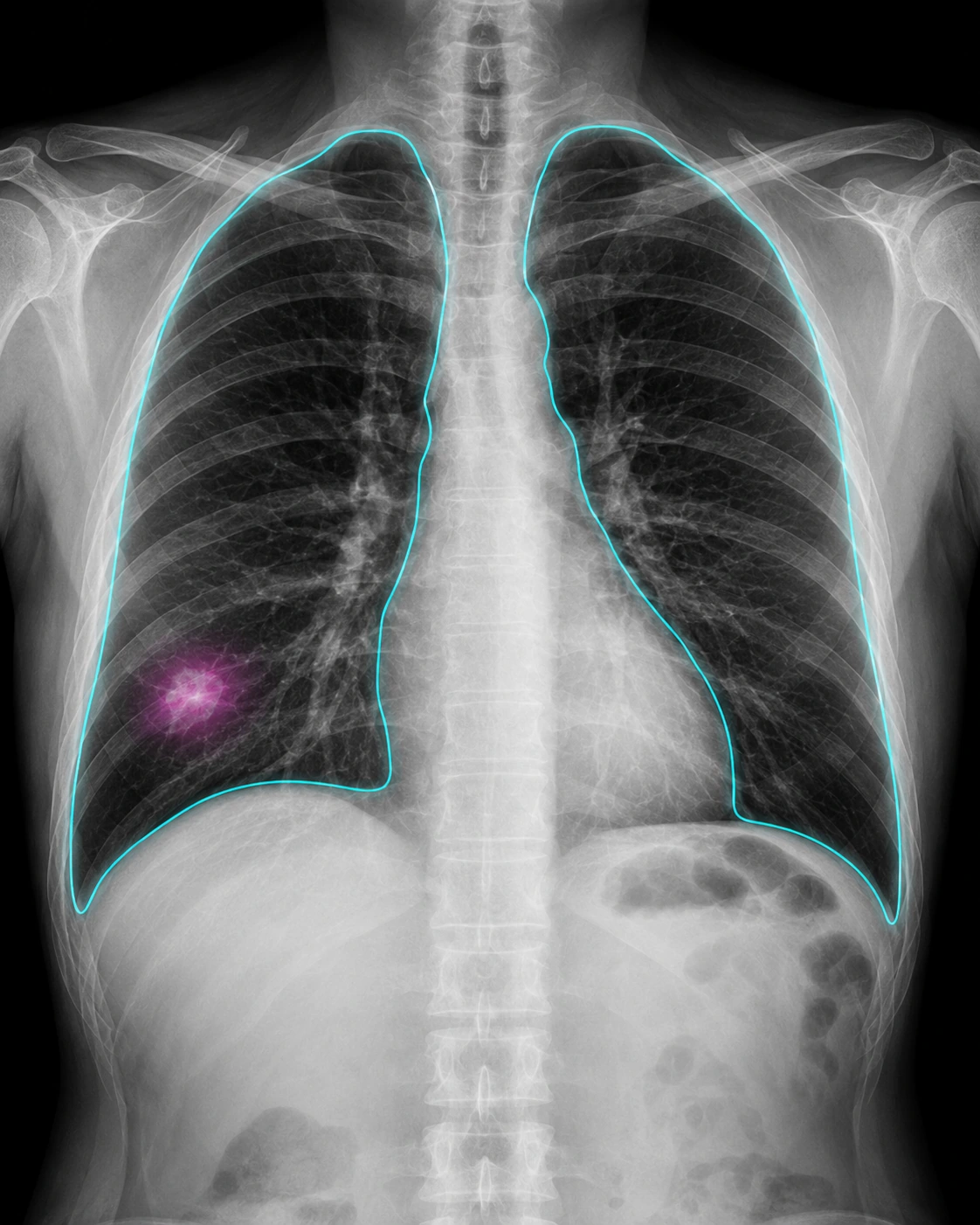
Marks
Points out in the image what deserves your attention. Every AI result is labeled as research.
Reviews
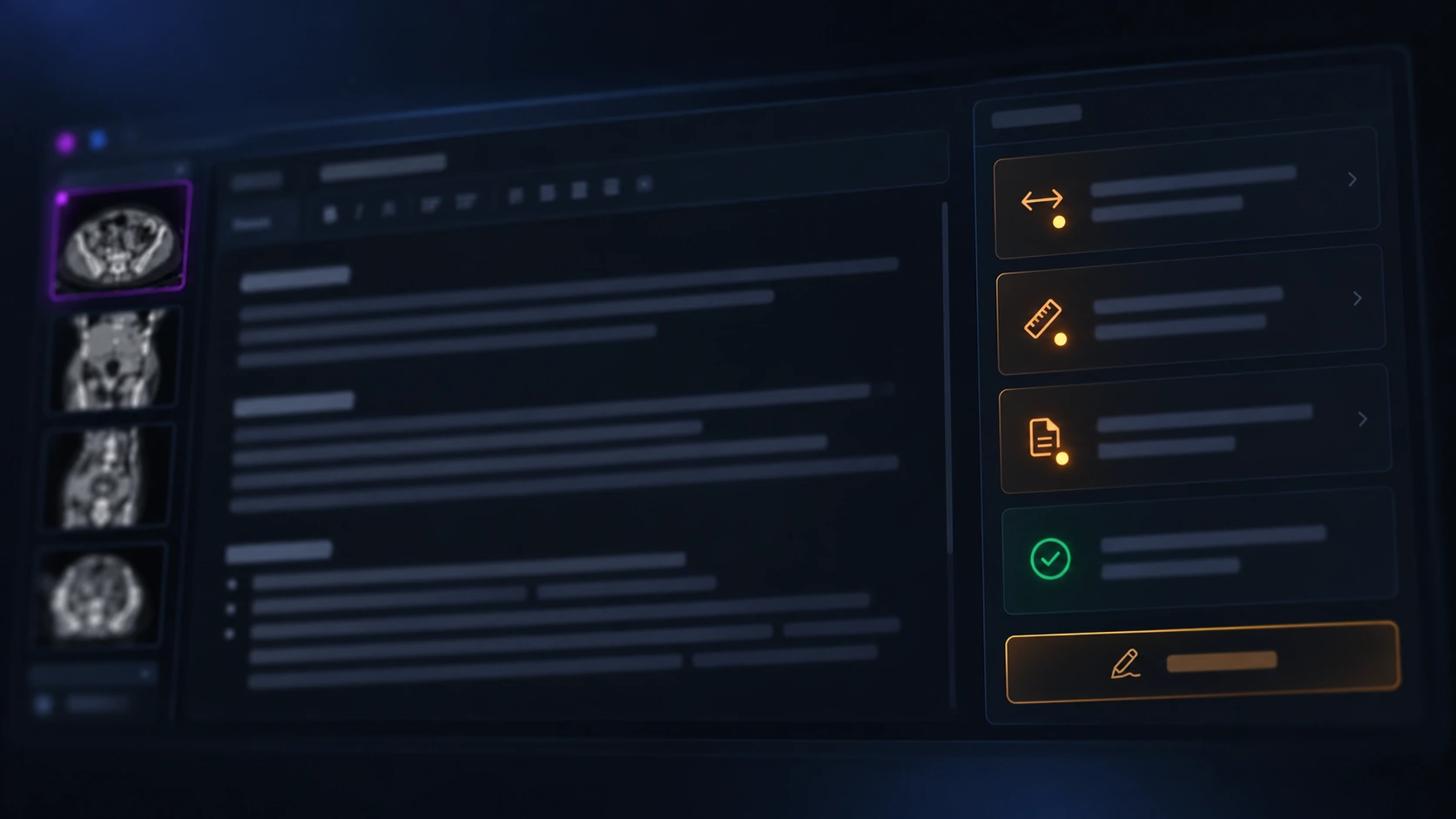
Before you sign, checks that the report is consistent: laterality, measurements, omissions. You decide what to accept.
Modalities
RadMesh receives, stores and displays studies from any modality. Image AI starts with CT.
Available today
- Any modality (DICOM)Available
CT, X-ray, MRI and ultrasound arrive, are stored and read in the viewer.
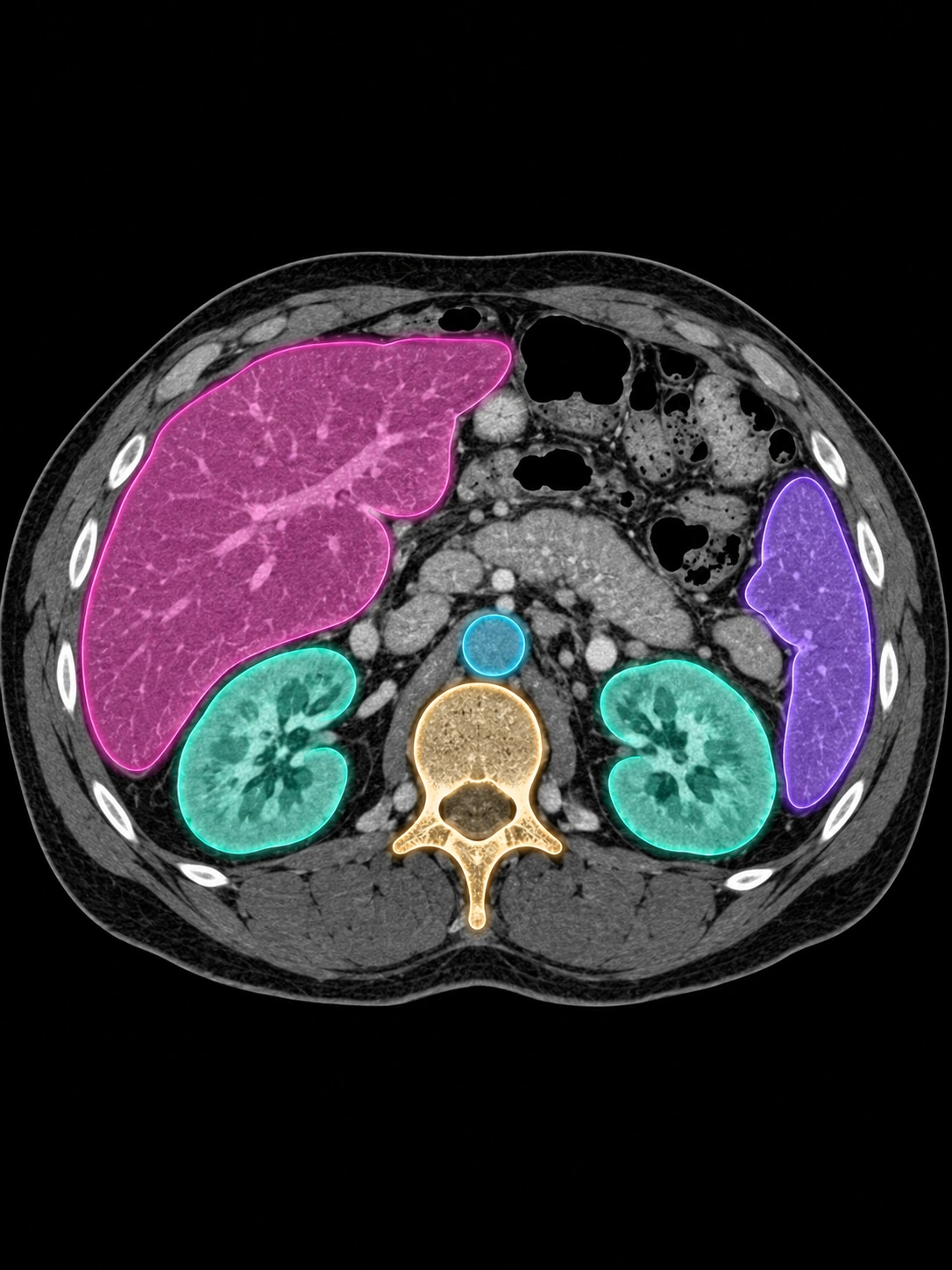
- CT, whole bodyResearch use
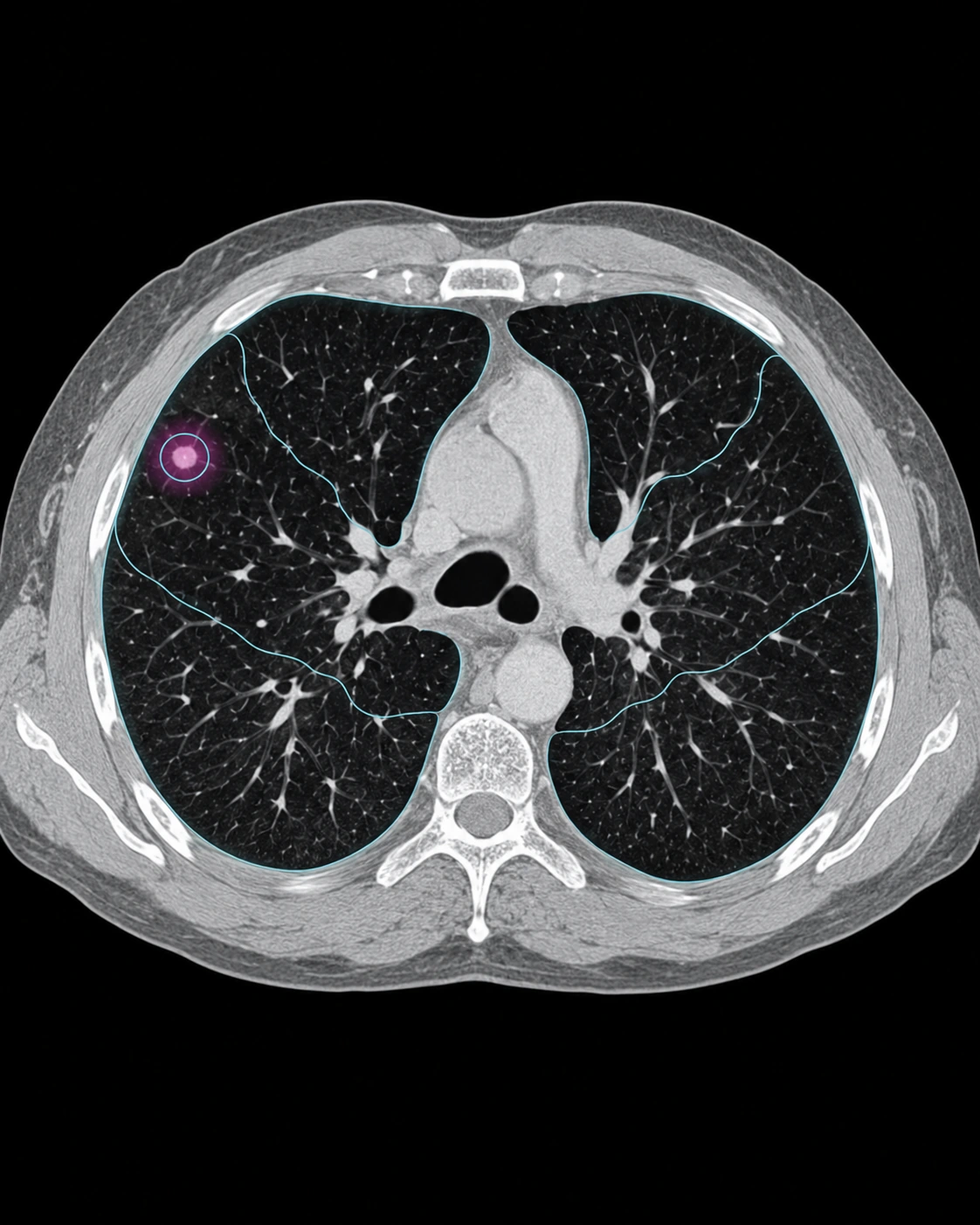
Analysis models for lung and whole body, labeled as research.
- Report draftResearch use
The AI proposes a draft on your template; you review and sign it.
In preparation
- Conventional radiography (X-ray)In preparation
Image AI for radiography, in preparation.
Image AI does not include MRI.
RadMesh versus the alternatives
Cloud RIS
- Where studies live
- Usually on the vendor's servers.
- Who can see them
- The vendor and whoever it authorizes.
- If the license expires
- Depends on the contract.
Traditional RIS/PACS
- Where studies live
- On the hospital server.
- Who can see them
- Whoever administers the server.
- If the license expires
- No built-in AI.
RadMesh
- Where studies live
- On a node dedicated to your institution, on servers in Colombia.
- Who can see them
- The people your institution authorizes. Our technical team only accesses the node to operate and support it, as set out in the contract. The central service does not store patient data.
- If the license expires
- The AI turns off; your studies stay and you can export them.
Your data
Your studies stay in Colombia.
Your studies live on a node dedicated to your institution, on servers in Colombia: we host it or, if your hospital prefers, it runs on its own servers.
A single way out
Only what is strictly necessary leaves, anonymized and with your authorization. Every exit is logged and shown on screen.
You have the last word
Agents can raise a priority, never lower it or sign. Signing is always done by a radiologist.
Remote reading without moving studies
Authorized radiologists read inside the system: only assigned cases, for the contract period.
Verified models
Only signed models of known origin are run.
Can run on your own servers
If your hospital prefers, the node and the AI run on its own servers.
Everything is logged
Every agent action and every outgoing transfer goes into an audit log.
It stays yours
Even if the license expires, you can view and export your studies and reports.
Research models
Some image-analysis models are offered for research and education. They are labeled as such on screen and in generated objects. They do not replace your judgment or your institution's protocol.
- Lung nodule on CTResearch use
- Lung lobes and lung maskResearch use
- Whole-body segmentation on CTResearch use
A team of agents
Each agent does one thing, with its status in plain view.
Nexus
AvailableReport quality check before signing and a prioritized worklist.
Echo · Shift notices
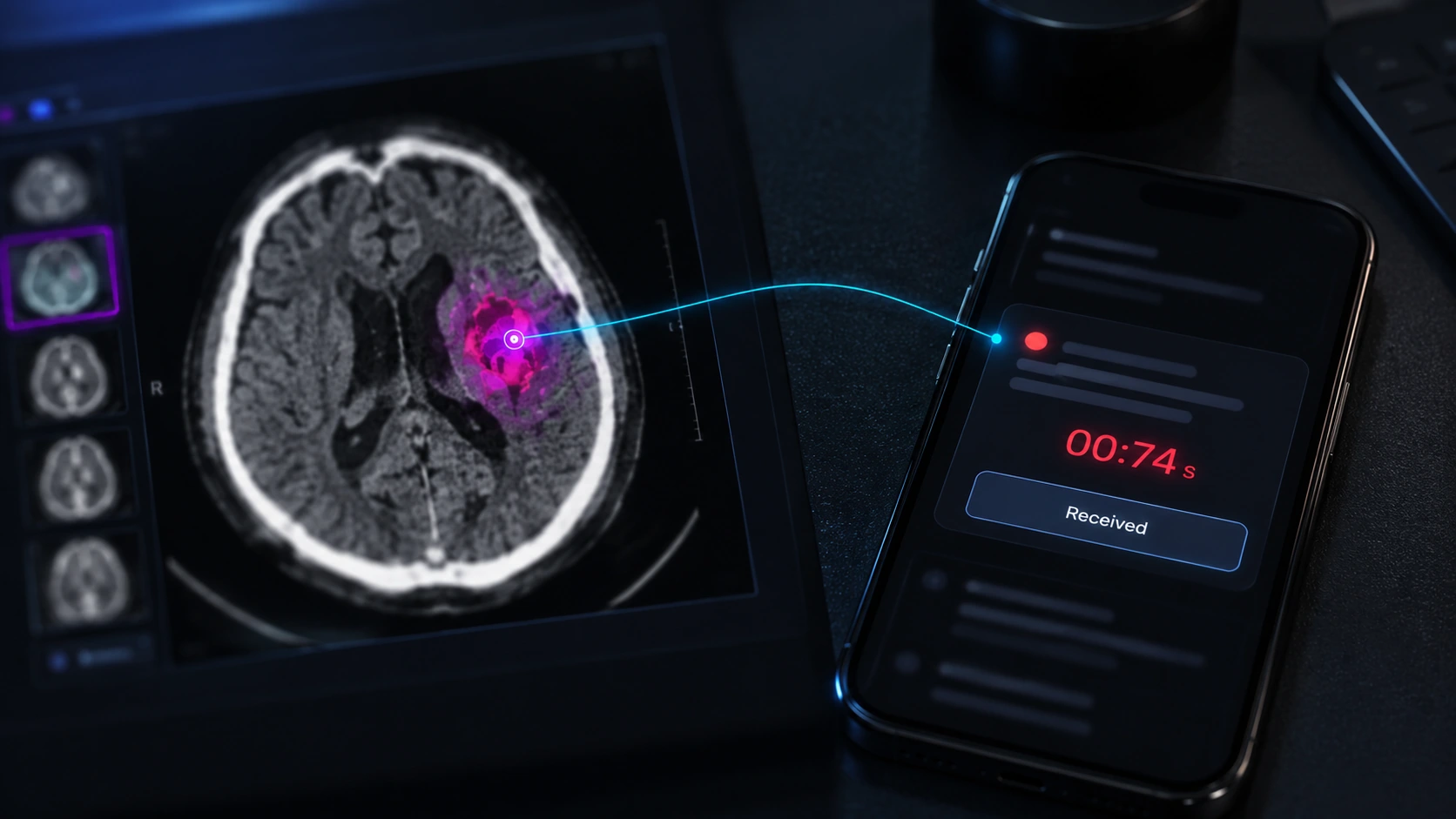
ImplementedNotifies on-duty staff when a study is about to run late or needs reassigning. By WhatsApp or Slack, with no patient data.
RadWork
AvailableRegistration and verified radiologist profiles; the pool suggests who can read when a study is about to run late. Reading happens inside the institution's node.
Learn more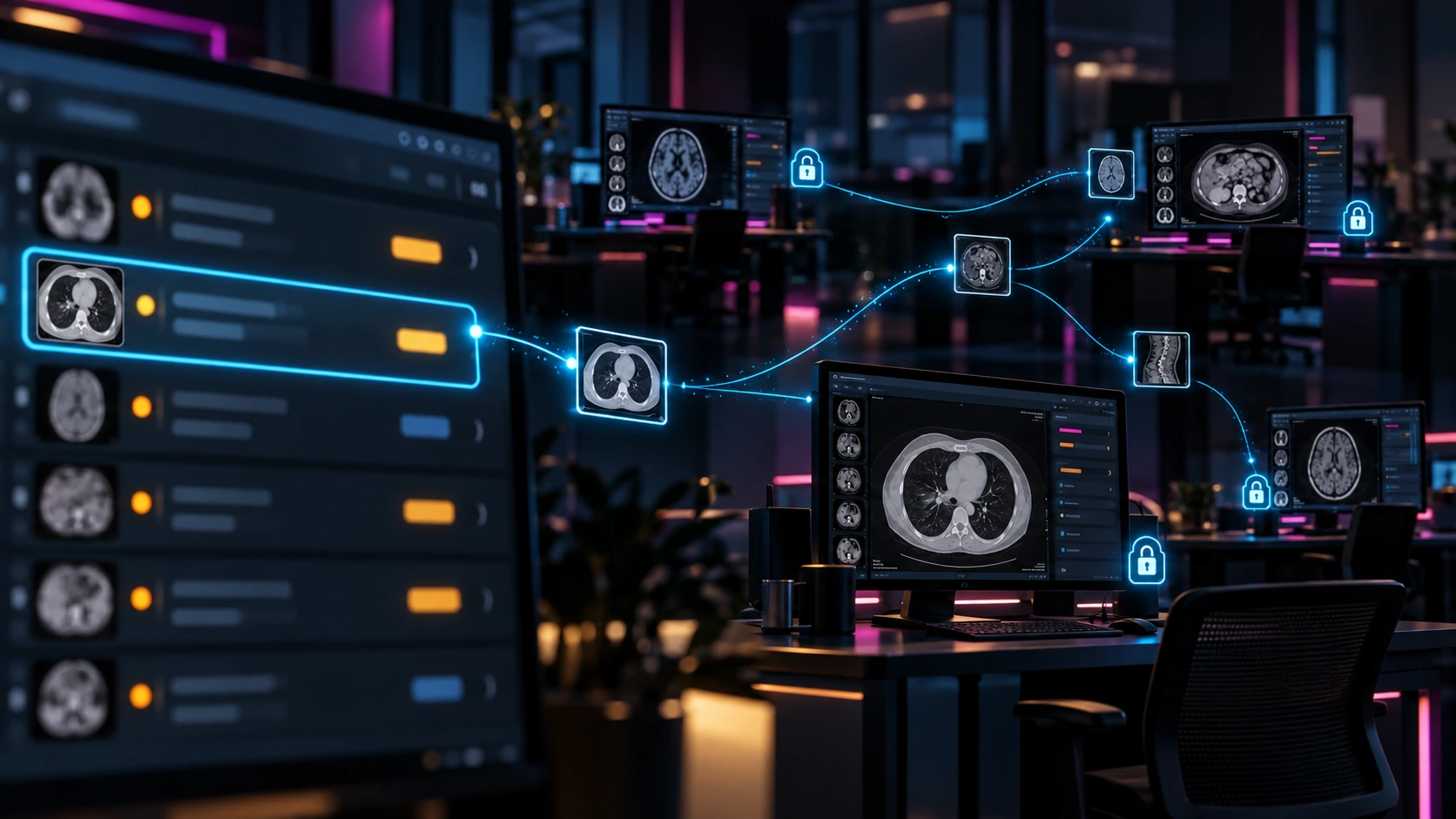
Lumen
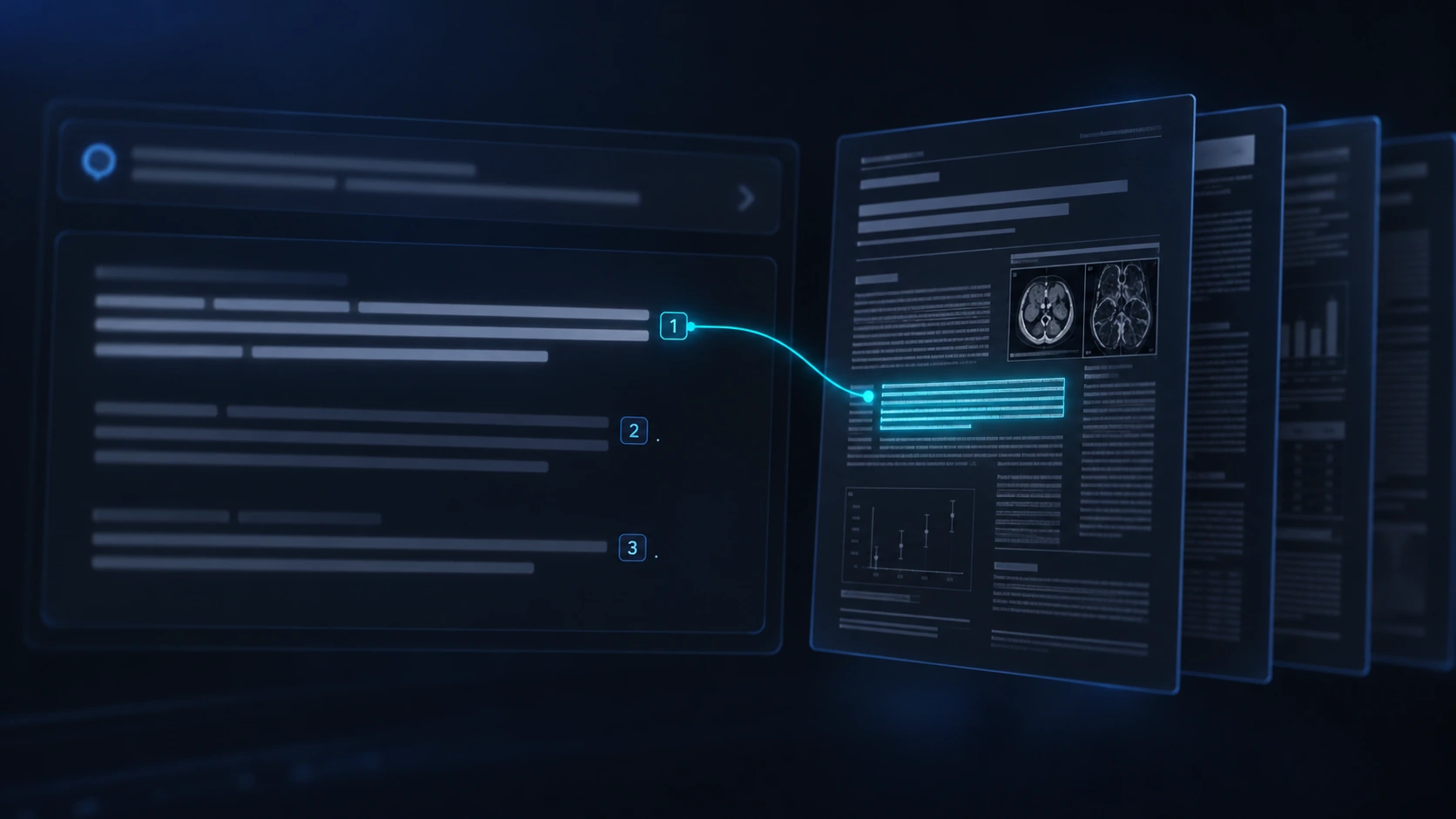
AvailableYour service's evidence library: guidelines and protocols with answers cited to the page; if it is not in your library, it does not make things up.
Appropriateness criteria (ESR iGuide): coming soon.
ClicRad
AvailableService shifts.
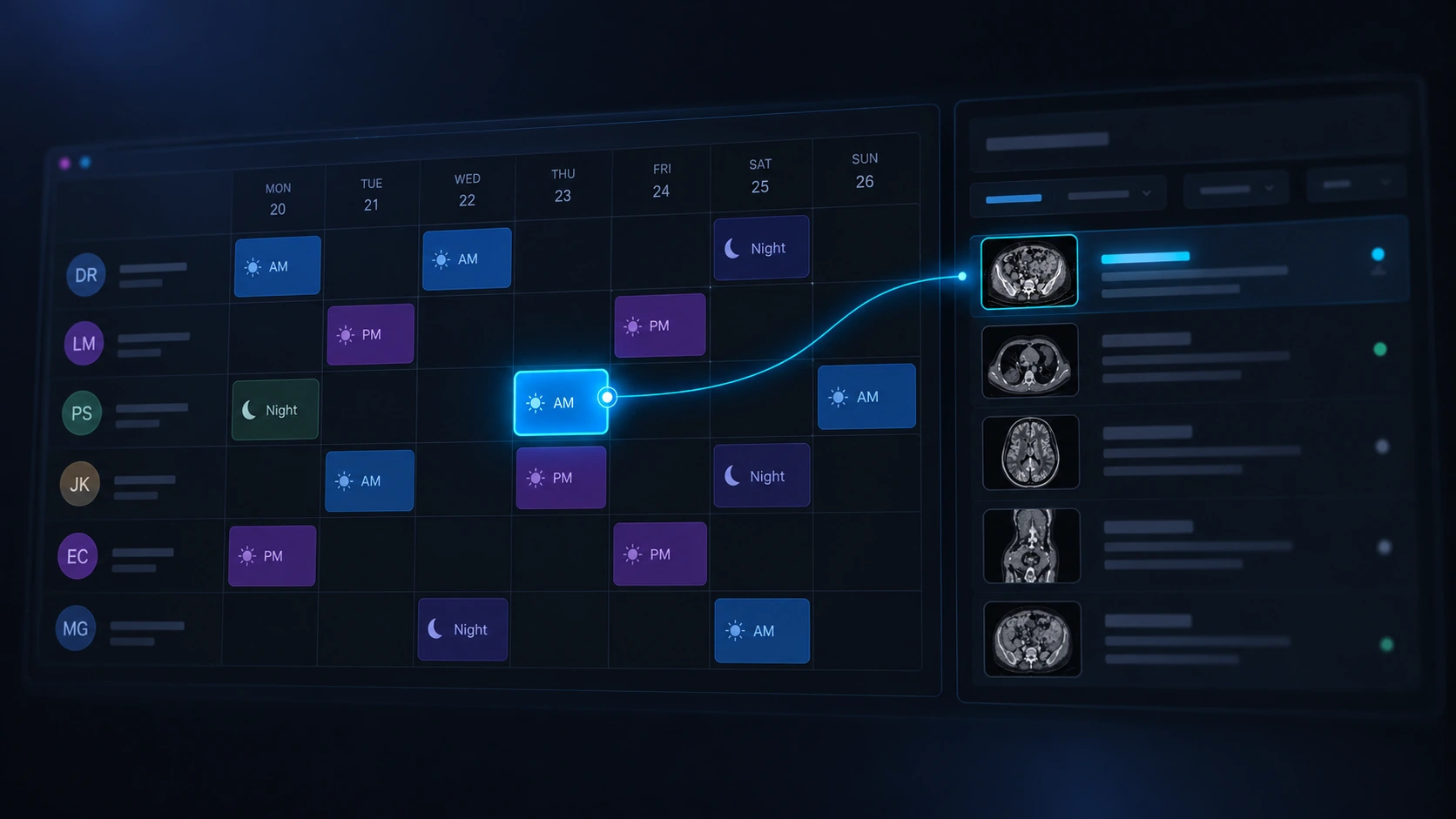
Iris
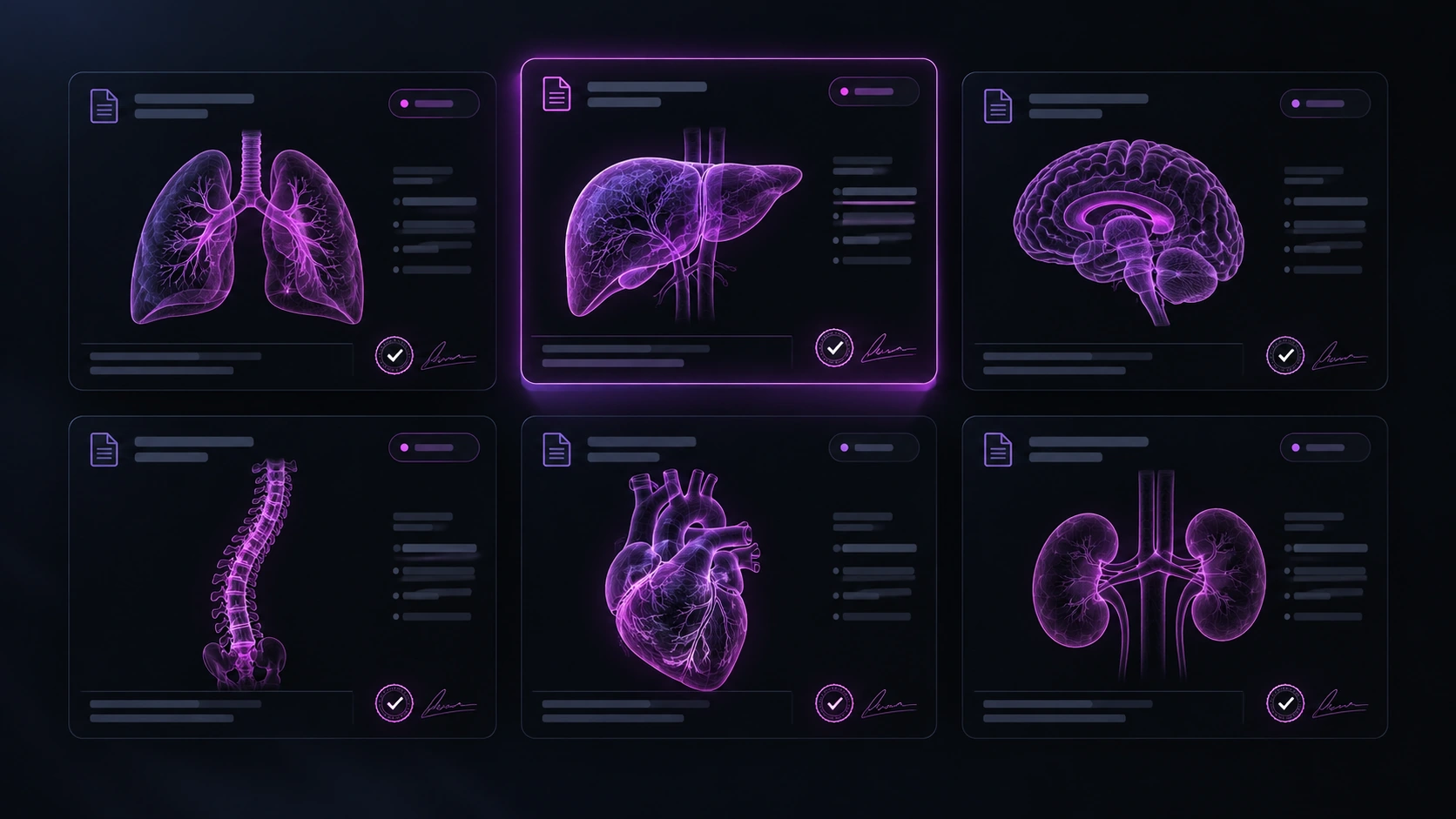
Research useCatalog of signed AI models, enabled per institution.
Clinical sheets for each model are in preparation.
RadWork: distributed reading with network radiologists
Institutions post reading opportunities. Verified radiologists show interest. Reading happens inside RadMesh, without moving the studies.
- 1
Create your profile
You enter your specialty and your experience.
- 2
We verify your ReTHUS
ReTHUS is Colombia's official registry of health workforce. Only radiologists with accredited credentials join the network.
- 3
Tap “I'm interested”
You choose the reading opportunities that suit you; the institution decides who gets assigned.
If you are an institution, post your reading needs and receive interest from verified radiologists. Authorized readers only see the cases assigned to them, for the length of the contract.
A RadWork profile holds radiologist data, not patient data. Studies stay on the institution's node.
Two ways to start
For radiologists
Your AI-assisted RIS/PACS, on a node dedicated to your institution.
For clinics and companies
The service for your radiology company: several readers and several sites.
Read faster, with your data at home.
Let's talk